
U.S. Senate Moves to End 20-Year Mining Ban Unlocking Key Copper-Nickel Region
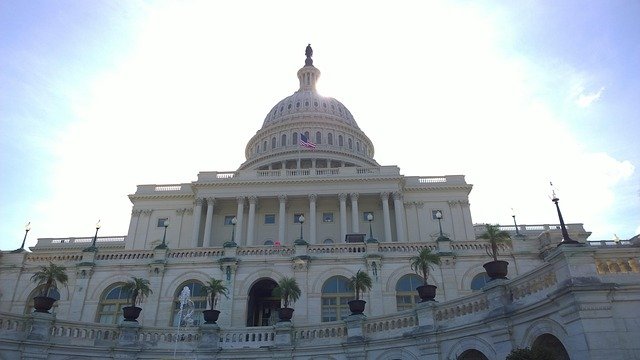
The U.S. Senate passed H.J. Res. 140, overturning a 20-year mining ban on 225,504 acres of the Superior National Forest in Northern Minnesota. The measure nullifies a mineral withdrawal that had previously blocked critical mineral development in Cook, Lake, and St. Louis Counties and, if enacted, would allow proposed mining projects to advance through state and federal environmental review and permitting processes.
In a statement, Julie Lucas, Executive Director of MiningMinnesota, said, “This vote does not open a mine. It opens the door for a transparent, science-based review.”
Green Bridge Metals Corp. (GRBM:CSE; GBMCF:OTC; J48:FWB) holds the Serpentine project in Northern Minnesota’s Mesabi Mining District, located within the Duluth Complex. The project is described as a copper-nickel development asset positioned on trend with the NorthMet and Sunrise deposits in an established mining jurisdiction with nearby infrastructure. According to the project overview, Serpentine hosts copper-nickel mineralization with potential platinum group element credits at shallow depth and features relatively flat-lying geometry considered favorable for open-pit mining, with preliminary metallurgical work from 2012 indicating high recoveries of copper and nickel.
Supply Tightness and Smelting Pressures Shape Copper Market Dynamics
According to an April 16 report from S&P Global, copper prices in 2026 had been supported primarily by supply-side constraints rather than demand growth, with the 2026 average price forecast at just above US$12,100/t. The report stated that “copper prices are being underpinned by supply tightness rather than demand growth,” while also noting that concentrate shortages and limited new mine supply continued to influence pricing. Analysts further emphasized that “the copper concentrate market is expected to remain tight for years,” with a projected cumulative deficit of approximately 3 million tonnes by 2036.
The same Apr. 16 report from S&P Global highlighted structural pressures within the sector, stating that “more than 99% of copper production sits below the 2026 consensus price,” supporting positive operating margins across the industry. At the same time, it noted that declining ore grades and rising energy intensity had contributed to higher long-term cost structures, reinforcing a higher incentive price environment for new and existing operations.
S&P Global also reported that smelting dynamics continued to impact the broader copper value chain, with “spot treatment charges fell to around –$70/t by late March 2026, signaling extreme concentrate tightness.” The report added that a mismatch between mine supply and smelting capacity had intensified pressure across the sector, contributing to elevated pricing conditions despite softer macroeconomic indicators.
Ryan Charles wrote on April 19 that copper prices had recovered to approximately US$6/lb following an easing of geopolitical tensions, noting that “this price movement reflects a shift in macro sentiment rather than a change in the underlying supply-demand balance.” The report stated that treatment and refining charges fell to negative US$77/t as of April 10, indicating that “global smelting capacity significantly exceeds available copper concentrate supply.”
The April 19 analysis also described supply chain dynamics influencing the sector, stating that “China reduced total inbound copper shipments to 125,350 tonnes in February 2026, the lowest level since April 2011,” while export volumes increased as domestic producers redirected material into international markets. The report noted that this behavior reflected price sensitivity among buyers and contributed to fluctuations in global inventory levels.
According to the same April 19 report, elevated inventory levels across major exchanges reflected a timing mismatch between supply and demand, with London Metal Exchange inventories reaching 385,275 tonnes in March 2026 and Shanghai Futures Exchange inventories surpassing prior records. Despite these near-term imbalances, the report indicated that structural supply constraints remained in place, supported by limited concentrate availability and ongoing pressures within the smelting segment of the market.
Regulatory Developments and Permitting Pathways
According to the Green Bridge Investor Presentation, the overturning of the 20-year mineral withdrawal nullifies restrictions on 225,504 acres within the Superior National Forest across Cook, Lake, and St. Louis Counties that had previously blocked critical mineral development.
The Green Bridge Investor Presentation stated that, following the removal of the withdrawal, proposed mining projects in these areas would be able to advance through established state and federal environmental review and permitting processes. These processes are described as part of the standard framework governing mine development.
The presentation also stated that the change brings mining and construction employment opportunities back into consideration for Iron Range communities, referencing the potential for thousands of jobs associated with project development activity.
In addition, the Green Bridge Investor Presentation stated that the removal of the ban represents a step toward developing domestic sources of copper, nickel, cobalt, and platinum group metals, which had been restricted under the prior withdrawal.
Ownership and Share Structure2
Encampment Minerals, a strategic partner and asset vendor, holds approximately 10% of Green Bridge. Four institutional investors collectively own 15% of the float. Management and insiders own a total of 1.14%, including CEO David Suda, who holds 2 million shares.
Green Bridge Metals has 196,758,632 shares outstanding and a market capitalization of CA$30 million. The company has a 52-week trading range of CA$0.08-CA$0.26.
| Want to be the first to know about interesting Gold investment ideas? Sign up to receive the FREE Streetwise Reports’ newsletter. | Subscribe |
As always it is important to note that investing in precious metals like silver carries risks, and market conditions can change violently with shock and awe tactics, that we have seen over the past 20 years. Before making any investment decisions, it’s advisable consult with a financial advisor if needed. Also the practice of conducting thorough research and to consider your investment goals and risk tolerance.
The information listed above was updated on the date this article was published and was compiled from information from the company and various other data providers.


